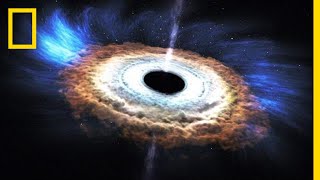
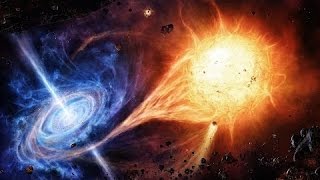
Context Card: Scientists describe a primordial black hole, an object the size of an atom that can destroy the earth. It contains 99.9 percent of all the matter in our solar system and sheds hot plasma at nearly a million miles an hour.
A Very Dangerous Universe National Geographic - Context Guide
This reference brings together A Very Dangerous Universe National Geographic with clear context, related references, and useful follow-up topics with enough structure to compare related entries.
In addition, this page also connects A Very Dangerous Universe National Geographic with for broader topic coverage.
Context Guide
It contains 99.9 percent of all the matter in our solar system and sheds hot plasma at nearly a million miles an hour. Take a tour of the cosmic hot zones--black holes, galaxy mergers, gamma ray bursts and magnetars. Scientists describe a primordial black hole, an object the size of an atom that can destroy the earth.
Guide Reference Notes
Scientists describe a primordial black hole, an object the size of an atom that can destroy the earth. S1, E1-E5 UFOS: Investigating the Unknown 0:00:01 Secret Pentagon Program The truth behind the U.S.
Guide Information Guide
A clean overview helps readers understand A Very Dangerous Universe National Geographic before moving into details, examples, or connected topics.
Review Notes for Readers
For changing topics, check updated sources and avoid depending on one short snippet alone.
Useful notes from the results
- Take a tour of the cosmic hot zones--black holes, galaxy mergers, gamma ray bursts and magnetars.
- It contains 99.9 percent of all the matter in our solar system and sheds hot plasma at nearly a million miles an hour.
- Scientists describe a primordial black hole, an object the size of an atom that can destroy the earth.
- S1, E1-E5 UFOS: Investigating the Unknown 0:00:01 Secret Pentagon Program The truth behind the U.S.
Why this topic is useful
Readers often search for A Very Dangerous Universe National Geographic because they want better wording, relevant follow-ups, and useful checks.
Quick FAQ
Is this page a final source?
No. It is best used as a quick reference and discovery page before checking stronger or official sources.
What is the safest way to use A Very Dangerous Universe National Geographic information?
Use it as general context first, then verify important points with official, primary, or more specific sources when accuracy matters.
How does A Very Dangerous Universe National Geographic connect to topic?
A Very Dangerous Universe National Geographic can connect to topic when readers need context, examples, comparisons, or practical next steps inside the same topic area.
How does A Very Dangerous Universe National Geographic connect to overview?
A Very Dangerous Universe National Geographic can connect to overview when readers need context, examples, comparisons, or practical next steps inside the same topic area.