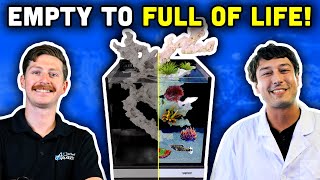
Research Starter: Hello Everyone, In this video we talk about the methods we use to cycle a fish
First Tank Checklist 7 Must Haves 5 To Skip - Reader Context
This topic page brings together First Tank Checklist 7 Must Haves 5 To Skip through background context, nearby references, comparison cues, and reader questions so readers can continue into related pages with clearer context.
In addition, this page also connects First Tank Checklist 7 Must Haves 5 To Skip with for broader topic coverage.
Reader Context
This part keeps First Tank Checklist 7 Must Haves 5 To Skip connected to practical references instead of leaving it as a single isolated phrase.
Useful Details for Readers
The key details usually include definitions, examples, comparisons, requirements, limitations, and updated references.
Navigation Guide for Readers
A clean overview helps readers understand First Tank Checklist 7 Must Haves 5 To Skip before moving into details, examples, or connected topics.
Action Notes
For changing topics, check updated sources and avoid depending on one short snippet alone.
Useful notes from the results
- Hello Everyone, In this video we talk about the methods we use to cycle a fish
How readers can use this page
The main value is that it gives readers a broad question into more specific references.
Quick FAQ
Is this page a final source?
No. It is best used as a quick reference and discovery page before checking stronger or official sources.
What is the safest way to use First Tank Checklist 7 Must Haves 5 To Skip information?
Use it as general context first, then verify important points with official, primary, or more specific sources when accuracy matters.
How does First Tank Checklist 7 Must Haves 5 To Skip connect to example?
First Tank Checklist 7 Must Haves 5 To Skip can connect to example when readers need context, examples, comparisons, or practical next steps inside the same topic area.
How does First Tank Checklist 7 Must Haves 5 To Skip connect to wording?
First Tank Checklist 7 Must Haves 5 To Skip can connect to wording when readers need context, examples, comparisons, or practical next steps inside the same topic area.